▶ Watch the original YouTube video
Understanding Fate/Strange Fake: Key Points and Reasons for Confusion
Fate/Strange Fake has intrigued fans since its inception, presenting a complex narrative that intertwines with the broader Fate universe. This article delves into the origins, key elements, and the confusion surrounding this unique installment in the Fate series.
What Happened
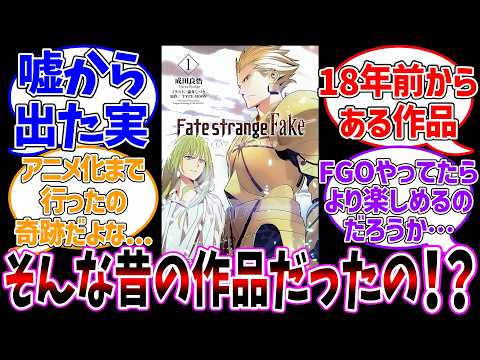
Fate/Strange Fake was introduced to fans approximately five years ago, capturing the attention of those already enamored with the Fate series. The revelation that this project had existed for 18 years, originating as an April Fool’s joke, surprised many and sparked curiosity about its place within the expansive Fate universe.
Why It Matters
The complexity of Fate/Strange Fake has made it a topic of discussion among fans, as its intricate character relationships and narrative structure can be overwhelming. Understanding this work is crucial for fans who wish to fully appreciate the connections to previous Fate series installments and the evolution of its storytelling.
Background
Initially conceived as a joke titled “The Ultimate Holy Grail War I Came Up With,” Fate/Strange Fake has evolved into a serious narrative with deep ties to the Fate franchise. The series has a rich history, and its characters often reference or parallel those from earlier works, adding layers of complexity for both new and veteran fans.
Key Points
- Fate/Strange Fake has been in existence for 18 years, beginning as an April Fool’s joke.
- The character designs and storylines are closely linked to the broader Fate series.
- The intricate world-building contributes to viewer confusion.
- Future developments in the series will likely hinge on character actions and backgrounds.
- Fans often engage in discussions about character intersections across different works.
Timeline
- 2005: Fate/Strange Fake is conceived as an April Fool’s joke.
- 2015: The official novel is published, marking its transition into a serious narrative.
Perspectives
Fans have expressed mixed feelings about the series. Some appreciate the depth and complexity, while others find the multitude of characters and intricate plotlines confusing. The discussions surrounding these differing opinions highlight the series’ ability to provoke thought and engagement among its audience.
Insights
Fate/Strange Fake exemplifies the trend in modern anime towards complex narratives and character development. As audiences increasingly seek deeper storytelling, this series challenges viewers to engage with its multifaceted characters and their evolving relationships. The ongoing character arcs promise to deliver further growth and exploration, making it a significant part of the Fate franchise.


Comments