▶ Watch the original YouTube video
The Evolution of Art Style in Chainsaw Man: Reasons and Reception
This article explores the notable changes in the art style of the popular manga “Chainsaw Man” between its first and second parts. It delves into fan reactions and evaluations, providing insights for those looking to deepen their understanding of the series.
What Happened
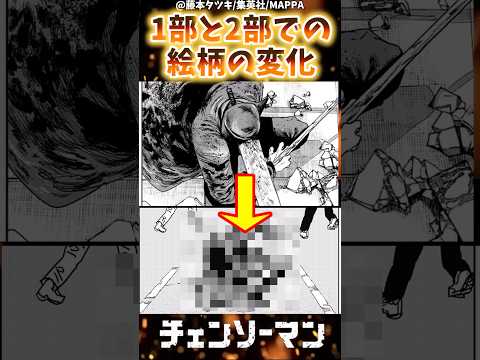
The transition from the first part to the second part of “Chainsaw Man” showcases significant changes in the artwork. The second part features a simpler artistic touch compared to the detailed illustrations of the first part, reflecting the author’s evolving style.
Why It Matters
The evolution of the art style is crucial for understanding how the series resonates with its audience. Fans’ reactions vary, highlighting the subjective nature of artistic appreciation and the impact of visual style on storytelling in manga.
Background
In “Chainsaw Man,” the differences in art style between the two parts are marked. The simplicity seen in the second part contrasts sharply with the intricate details present in the earlier chapters, suggesting a shift in the author’s approach to illustration.
Key Points
- The art style has changed significantly between the first and second parts.
- This change is believed to stem from the author’s varying pen pressure and stylistic evolution.
- The first part featured more detailed character depictions, while the second part embraces a more minimalist approach.
- Fan evaluations are mixed, with appreciation for both styles evident among readers.
Timeline
- First part released with detailed artwork.
- Second part introduced with a simplified art style.
Perspectives
Fan reactions to the art style change are divided. Some readers prefer the initial detailed illustrations, while others support the simplicity of the newer style. Many fans recognize the unique appeal of both artistic approaches, indicating a broader acceptance of change in artistic expression.
Insights
The transformation in art style reflects the growth of the work and the author’s evolving methods. As fans adapt to these changes, it becomes evident that a strong narrative can often outweigh visual alterations, allowing readers to appreciate the series in its entirety.


Comments