▶ Watch the original YouTube video
The Creation of Henshin Belts and Toei’s Involvement Explained
The iconic henshin belts, central to many Japanese tokusatsu series, have a fascinating history shaped by collaboration between Toei and Bandai. This article explores the origins, significance, and evolution of these beloved transformation devices.
What Happened
The concept of the henshin belt, which allows characters to transform into heroes, emerged in the realm of Japanese tokusatsu, particularly in the popular Kamen Rider series. These belts have become a crucial element in storytelling, symbolizing character growth and evolution.
Why It Matters
Understanding the creation and impact of henshin belts provides insight into the broader cultural significance of tokusatsu. These devices not only enhance the narrative but also engage audiences by allowing them to connect with the characters’ journeys.
Background
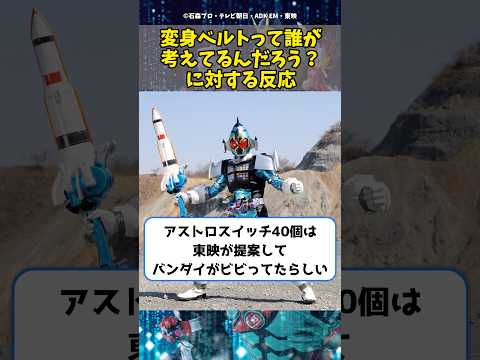
My fascination with henshin belts began in childhood while watching various tokusatsu shows. Recently, I came across a YouTube video discussing the origins of henshin belts and Toei’s role in their development, which inspired me to delve deeper into this topic. The video highlighted how the idea of these belts was a collaborative effort between Toei and Bandai, with audience reactions significantly influencing their design and functionality.
Key Points
- The concept of henshin belts originated from a collaboration between Toei and Bandai.
- Production processes are heavily influenced by audience feedback and sponsorship.
- Henshin belts play a vital role in character development and narrative progression in tokusatsu.
- Each series features unique themes and motifs, ensuring viewer expectations are met.
- Recent trends show an evolution in the design and functionality of henshin belts.
Timeline
- 1971: The first Kamen Rider series introduces the henshin belt concept.
- 2009: Kamen Rider W features dual belts that highlight character dynamics.
- 2016: Kamen Rider Ex-Aid incorporates gaming elements into the henshin belt design.
- 2019: Kamen Rider Zero-One explores themes of AI and technology.
Perspectives
The video discussed how societal elements are integrated into the storytelling of henshin belts. For instance, Kamen Rider Zero-One’s narrative revolves around AI and technology, reflecting contemporary issues. This adaptability keeps the franchise relevant and engaging for new audiences.
Insights
The evolution of henshin belts not only enhances the viewing experience but also mirrors societal changes and audience expectations. As the design and themes of these belts continue to evolve, they promise to provide fresh narratives that resonate with viewers, maintaining the cultural significance of tokusatsu.


Comments