▶ Watch the original YouTube video
The Reasons Behind the Change in Kamen Rider Hibiki’s Direction and Online Reactions
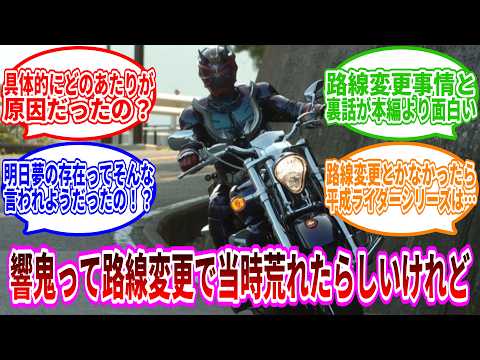
This article explores the reasons behind the significant shift in direction for the tokusatsu series Kamen Rider Hibiki and the subsequent reactions from fans online. Understanding the production background and viewer responses is crucial for fans and those interested in tokusatsu to appreciate the series more deeply.
What Happened
Kamen Rider Hibiki underwent a major change in its narrative direction during its production, leading to a divided response from its audience. The adjustments were primarily due to scheduling issues that affected the cast and crew, ultimately altering the tone and storyline of the series.
Why It Matters
The shift in Hibiki’s direction is significant as it highlights the challenges faced in the production of serialized television, particularly in the tokusatsu genre. The reactions from viewers reflect broader trends in audience expectations and the impact of production decisions on storytelling.
Background
Initially, Kamen Rider Hibiki was set to follow a specific creative vision. However, as production progressed, tight schedules necessitated changes in both the cast and the creative team. This led to a transformation in the series’ tone and narrative arc, which ultimately disappointed some viewers who had expected a different experience.
Key Points
- The change in direction was primarily due to production schedule difficulties.
- Viewer opinions on the direction change were polarized.
- The evaluation of the series varied significantly between its first and second halves.
- The latter half of Hibiki influenced subsequent Kamen Rider series.
Timeline
- Initial production plans were altered due to scheduling conflicts.
- Changes in cast and crew occurred mid-production.
- Viewer reactions varied as the series progressed.
Perspectives
Online discussions reveal a range of opinions regarding Hibiki’s direction change. Supporters appreciate the character development and storytelling in the latter half, while critics lament the loss of the original atmosphere and themes. Neutral observers express curiosity about how the series would have unfolded without the changes.
Insights
The challenges faced by Kamen Rider Hibiki serve as a reminder of the complexities involved in producing serialized content. The necessity for communication and understanding audience expectations is more critical than ever in the production of tokusatsu and similar genres. The lessons learned from Hibiki’s experience will likely influence future productions in the industry.


Comments