▶ Watch the original YouTube video
Exploring Criticism of Political Correctness in Japanese Anime and Global Reactions
This article delves into the criticism surrounding political correctness in Japanese anime and the international responses to these critiques. It is particularly relevant for those interested in understanding Japanese anime culture and the recent debates on political correctness.
What Happened
Japanese anime has faced increasing scrutiny regarding its portrayal of characters, especially female ones, under the lens of political correctness. This scrutiny has sparked discussions both within Japan and internationally, highlighting differing cultural perspectives.
Why It Matters
The debate over political correctness in anime is significant as it reflects broader societal values and the clash between cultural expression and modern sensibilities. Understanding these dynamics is crucial for appreciating the complexities of global media consumption.
Background
Political correctness refers to the practice of avoiding language or actions that could offend particular social groups. Concerns regarding the depiction of female characters in Japanese anime have led to criticisms, particularly focusing on sexualization and stereotypical portrayals.
Key Points
- Historical context of political correctness and its evolution.
- Specific criticisms directed at Japanese anime, including sexualization and stereotypes.
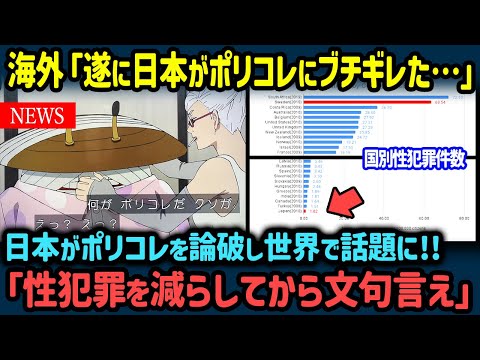
- Responses from Japan defending anime against accusations of promoting sexual crimes.
- Examples of live-action adaptations that failed due to excessive adherence to political correctness.
Timeline
- Emergence of political correctness discussions in media.
- Specific anime titles criticized for their content.
- Responses from Japanese creators and audiences.
Perspectives
Opinions on this issue vary widely. Supporters of anime argue that it does not contribute to crime rates, citing low statistics among viewers. Critics, however, express discomfort with the sexualized portrayals present in some series. A neutral stance acknowledges the cultural differences that complicate these discussions, suggesting that while criticisms may be valid, they should be approached with an understanding of cultural context.
Insights
The discourse surrounding political correctness in Japanese anime underscores the need for cultural sensitivity and understanding. While critiques may highlight important issues, they also risk oversimplifying the rich cultural narratives that anime represents. A balanced approach that respects diverse values is essential for fostering dialogue between cultures.


Comments