▶ Watch the original YouTube video
The Evolution of Gyaru Culture and Its Significance
This article explores the history and transformation of gyaru culture, a vibrant youth subculture in Japan. Understanding its evolution reveals the changing dynamics of fashion, identity, and social acceptance among young people.
What Happened
Gyaru culture emerged in the 1990s as a symbol of youth fashion and lifestyle, characterized by distinct styles and attitudes. Over the years, it has evolved significantly, particularly since the 2000s, becoming more diverse and inclusive.
Why It Matters
The evolution of gyaru culture reflects broader societal changes, including the acceptance of diversity and the re-evaluation of past trends. This cultural shift impacts how young people express their identities and interact with different subcultures, such as otaku culture.
Background
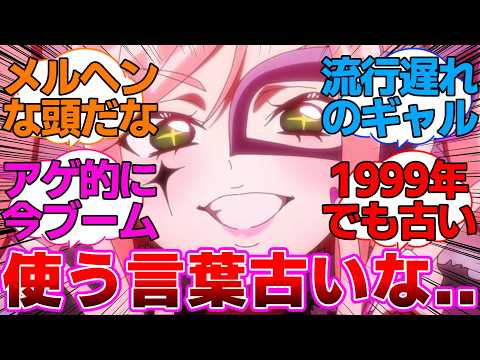
Initially, gyaru culture was known for its bold fashion choices and unique slang. However, recent trends show a resurgence of interest in older slang terms, indicating a nostalgic appreciation among younger generations. The relationship between gyaru and otaku cultures has also shifted, with greater acceptance and crossover between the two.
Key Points
- Gyaru culture has changed over time, adapting to new social contexts.
- Older slang and styles are being re-evaluated and embraced by modern youth.
- The relationship between gyaru and otaku cultures has evolved to be more inclusive.
- Contemporary gyaru culture reflects a broader acceptance of diversity in identity and style.
Timeline
- 1990s: Emergence of gyaru culture as a distinct youth subculture.
- 2000s: Increased diversification of styles and attitudes within gyaru culture.
- Recent years: Resurgence of interest in older gyaru slang and greater acceptance of otaku culture.
Perspectives
Opinions on the evolution of gyaru culture vary. Some view the changes as exciting and refreshing, while others express nostalgia for the original gyaru styles. There are also neutral perspectives acknowledging that cultural evolution is a natural process.
Insights
The transformation of gyaru culture mirrors the shifting values of society, particularly regarding diversity and acceptance. The resurgence of older trends alongside new influences signifies a blend of nostalgia and innovation, highlighting the dynamic nature of youth culture.


Comments