▶ Watch the original YouTube video
The Resale Controversy Surrounding Comiket: A Summary of Online Reactions
Recently, the resale issue involving signed merchandise at Comiket has sparked significant discussion among fans and participants. This article explores the implications of resellers profiting from items originally distributed at low or no cost, highlighting the reactions from the online community.
What Happened
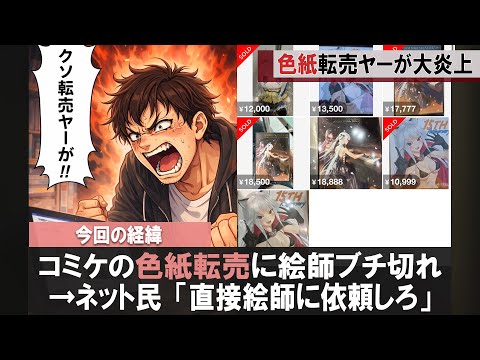
At Comiket, participating circles distribute signed merchandise for free or at a low price. However, some resellers have been purchasing these items in bulk and reselling them on platforms like Mercari and Yahoo Auctions for exorbitant prices, sometimes nearing $500, which has raised concerns among fans.
Why It Matters
This resale phenomenon is altering the dynamics within fan communities, as many believe that supporting creators directly is more valuable than engaging with resellers. The situation highlights the tension between fan culture and commercial exploitation, prompting discussions about the ethics of resale practices.
Background
Originally, signed merchandise at Comiket was intended to be an affordable way for fans to connect with creators. However, the emergence of resellers has transformed these items into high-priced commodities, leading to frustration among fans who feel that the spirit of the event is being compromised.
Key Points
- Signed merchandise from Comiket is being resold at significantly inflated prices.
- Resale prices can reach around $500, sparking debates among fans.
- Many fans advocate for directly commissioning creators instead of purchasing from resellers.
- Criticism of resellers is growing within the community.
Timeline
- Comiket events distribute signed merchandise.
- Resellers purchase items in bulk.
- Resellers list items online at inflated prices.
- Fans express outrage and call for direct support of creators.
Perspectives
Online reactions to the resale issue vary. Supporters of direct creator engagement argue that purchasing from resellers undermines the community’s values, while some fans acknowledge that resellers fulfill a market demand. Critiques of resellers often emphasize the emotional disconnect between fans and the original creators.
Insights
The resale controversy at Comiket serves as a critical reminder of the relationship between fans and creators. By prioritizing direct support for creators, fans can foster a healthier community and ensure that the culture surrounding events like Comiket remains intact. As this issue unfolds, it is essential for fans to remain aware of the implications of their purchasing choices.


Comments